Vitality is built across the day
Food is one part of a wider rhythm that includes sleep, movement and recovery.

Energy has more than one influence
Feeling energetic can depend on sleep quality, stress, movement, hydration, meal timing and health conditions. A nourishing breakfast may be useful for one person and unnecessary for another. Yarrow avoids presenting a single routine as universal because work patterns, caring responsibilities and symptoms all shape what is realistic.
Movement that fits
Regular walking, gardening, cycling, strength work or mobility practice can support general health. Start with the activity you can repeat safely, then consider gradual progression. Persistent breathlessness, pain, dizziness or unusual fatigue deserves clinical attention rather than a more demanding exercise plan.
Keep a simple observation
For one week, note sleep, meals, movement and energy without judging the results. A short record can help you see patterns and give a clinician clearer context.
A flexible daily table
| Moment | Possible anchor | Reason to keep it flexible |
|---|---|---|
| Morning | Water and a regular start | Appetite varies |
| Afternoon | Short walk or stretch | Work and weather change |
| Evening | Wind-down cue | Family routines differ |
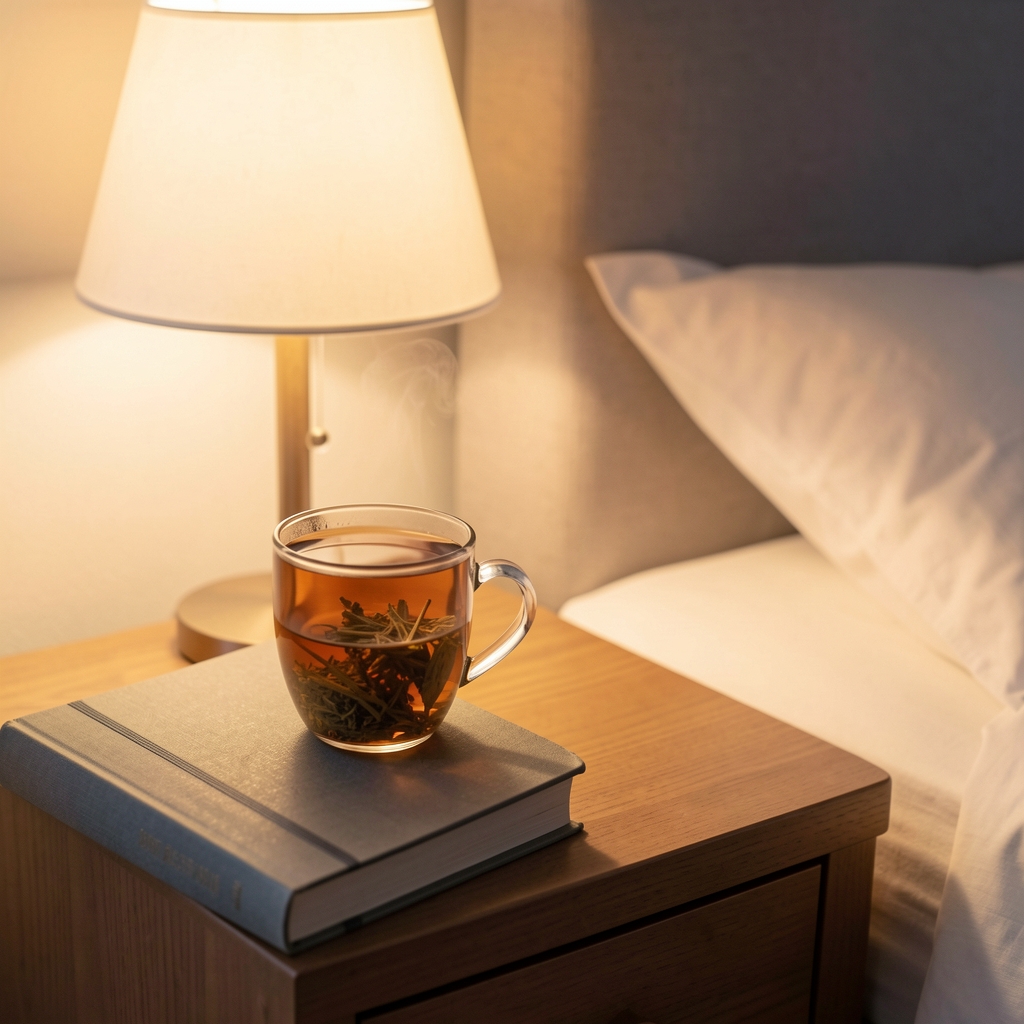
Recovery is an active part of a healthy routine, not an interruption to it.
When to seek support
New or worsening symptoms, unexplained weight change and fatigue that interferes with daily life should be discussed with a healthcare professional. General lifestyle information should never delay an assessment.
Vitality as a connected pattern
Vitality is a broad editorial idea that includes how people move through an ordinary day, how meals fit around responsibilities and how rest supports a sustainable routine. It is not a measurement that can be promised by one product, habit or food. The useful focus is often on fit, consistency and the ability to adjust.
A practical review can begin with the week as it actually is. Note meals, movement, sleep, social time and periods of pressure without turning the record into a judgement.
| Area | Observation | Question |
|---|---|---|
| Meals | Timing, variety and preparation | What is easy to repeat? |
| Movement | Walking, strength or active travel | What feels accessible? |
| Rest | Bedtime, waking and interruptions | What affects the evening? |
- Choose a small, observable routine.
- Allow for work, caring and seasonal changes.
- Review rather than criticise the week.
Quiet observations
“A routine can be supportive without being rigid.”
“Energy is discussed most usefully alongside sleep, food, movement and circumstance.”
These are editorial principles, not promises about an individual experience.
Vitality questions
Is vitality the same for everyone?
No. It changes with age, work, health, season and personal context.
Where should I start?
Choose one routine you can observe without adding unnecessary pressure.
When should I seek advice?
Take persistent or concerning personal issues to a qualified professional.
- Observe the current pattern.
- Choose a modest adjustment.
- Review what worked and what did not.
Small observations, useful adjustments
A routine can be reviewed without becoming a performance score. Notice when a meal is rushed, when sleep is interrupted or when movement feels easier, then consider a modest adjustment that respects the rest of the week. Circumstances change, so flexibility is part of the method.
- Choose one observation at a time.
- Allow for rest and changing responsibilities.
- Discuss persistent concerns with a qualified professional.